What led to the establishment of the AustChina Institute?

Published on 20th December 2024

The AustChina Institute was founded in December 2024 with the mission to offer unbiased research and insights on the Australia-China relationship, facilitating more informed foreign and strategic policy-making.

Background and Context

Since 2017, the rapidly evolving geopolitical climate has presented significant challenges for Australia in maintaining its strategically balanced position between the superpowers of the U.S. and China. Making the right foreign policy decisions is crucial for Australia's economy, regional security, diplomatic influence, technological advancements and the clean energy transition.

However, to make sound foreign policy and strategic decisions, it is imperative that policymakers, economists and trading organisations have access to unbiased research data and balanced sources of information. Unfortunately, it has been evident for several years that such impartial research has been notably lacking in Australia's think tank landscape:

  • Several prominent Australian think tanks have been receiving foreign funding, primarily from the U.S., which presents a conflict of interest for work meant to serve Australia's national interest.

  • Consequently, much of their research seems to have leaned towards a pro-U.S. perspective, while amplifying the 'China-threat' narrative.

  • This has contributed to an influx of unbalanced publications that drive sensationalist political narratives, often without nuance and with limited understanding of the underlying economic dynamics of the Australia–China relationship.

It has also been evident that a significant amount of misinformation about China and the 'China-threat' narrative has permeated Australian political discourse and media. Concurrently, Australia has lost many of its China experts due to government funding cuts that spanned several years. The recent 'Independent Review of Commonwealth funding for strategic policy work' conducted by Peter Varghese AO in July 2024 identified that:

"Australia’s falling China expertise is a systemic failure....The more difficult China becomes the more important it is that we understand it. We must have greater depth and multi-disciplinary experts on China to inform the most consequential decisions Government will make on Australia’s security and prosperity in the coming decades."
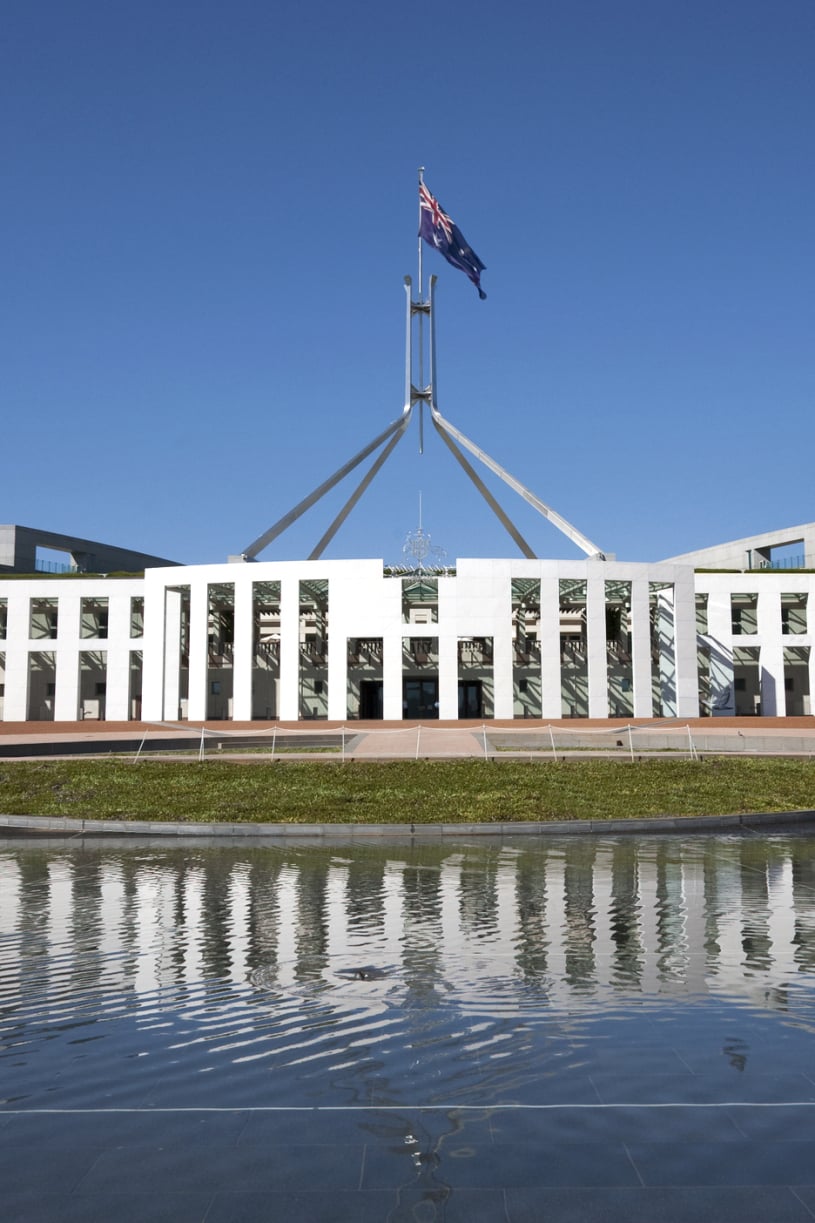
AustChina Institute at Parliament House
Parliament House, Canberra, Australia. Photo by Travellinglight

Our solution


AustChina Institute (ACI) was formed as a solution to address these critical gaps in Australia's think tank landscape. Key priorities of ACI include:

  • High-Quality Research and Thought Leadership on Australia-China Relations: To provide policymakers, trading organisations and the public with comprehensive research on China and our relationship with China.

  • Unbiased and Impartial Research: Unlike several prominent think tanks that receive foreign funding, ACI is strictly funded by Australians, for Australians!

  • Career Pathways for China Studies Experts: After initially recruiting China analysts and researchers, we will offer career advancement opportunities for emerging talent on Chinese strategic studies to enhance our sovereign knowledge capabilities on China.

The following will provide more insights into the driving forces behind AustChina Institute's formation:

The rapidly evolving geopolitical climate

Australia's relationships with the two major superpowers, United States and China, have significantly contributed to Australia’s economic, regional security and global standing. Our long-standing alliance with the U.S. is rooted in shared democratic values and strong partnerships, while our relationship with China has been vital for trade, supply chains, tourism and our mutual economic growth.

However, the geopolitical landscape has shifted significantly, presenting numerous challenges in our relationships with both superpowers. This shift is primarily due to the intensifying competition between the U.S. and China. China's rapid economic growth and technological advancements seem to have prompted the U.S. to adopt more hostile actions to contain China.

For several decades prior to 2017, our relationships with the U.S. and China were stable and prosperous. However, since the election of Trump in 2017, Australia's relationships with these two superpowers have changed significantly, arguably for the worse.

What changed in our Australia-US relations since 2017?

Since the election of President Trump in 2017, the Australia–U.S. relationship has undergone a number of adjustments that reflect broader shifts in U.S. foreign and domestic policy. These developments have continued into his second term. Notable changes include:

  • A shift in trade policy: The United States has moved away from its traditional role as a leading advocate of free trade toward a more protectionist stance. Actions such as the unilateral imposition of tariffs on Chinese goods – outside of the usual World Trade Organisation frameworks – have had downstream effects on global markets, including increased costs and disruptions for Australian businesses and exporters.

  • A redefined foreign policy approach: The "America First" doctrine reflects a renewed focus on prioritising domestic interests, sometimes at the expense of traditional alliances. While the Australia–U.S. partnership remains strong, this shift has introduced a degree of unpredictability into how the U.S. engages with even its closest allies.

  • Divergence on climate policy: Australia's approach to climate change has diverged from that of the United States under the Trump administration. While the U.S. withdrew from the Paris Agreement during Trump's tenure, Australia has maintained its commitment to international climate goals, actively participating in global climate diplomacy alongside its Indo-Pacific partners.

  • Evolving domestic dynamics in the U.S.: Recent events in U.S. domestic politics, including intense polarisation, institutional distrust and the January 6th U.S. Capitol attacks, have raised concerns among global observers. These developments can influence international perceptions of stability and shared values, including within the Australia–U.S. alliance.

Overall, while the core alliance between Australia and the United States remains robust, the evolving political and policy environment in the U.S. has introduced new complexities and recalibrated expectations within the bilateral relationship. These dynamics are likely to shape strategic engagement in the years ahead.

What changed in our Australia-China relations since 2017?

Leading up to 2017, trade and partnerships were booming between Australia and China. According to a poll conducted by the Lowy Institute in 2016, China was Australia's "Best friend in Asia" and around 80% of Australians were overwhelmingly positive about their views towards China.

However, since 2017, our relationship with China has shifted significantly away from the familiar partnership built on mutual respect and collaboration. By the end of 2017, Australia's relationship with China had drastically soured:

  • Several allegations of Chinese foreign interference in Australia emerged in 2017

  • Claims of China’s bully tactics and "wolf warrior diplomacy" against Australia became prominent from 2020

  • China raised tariffs and imposed economic sanctions against Australia starting in 2020

  • China's foreign investments into Australia reduced by 90% over the next 5 years

The current Labor government have managed to significantly improve this relationship, but underlying tensions between Australia and China still persist.

What caused these changes to our foreign relations from 2017 onwards?

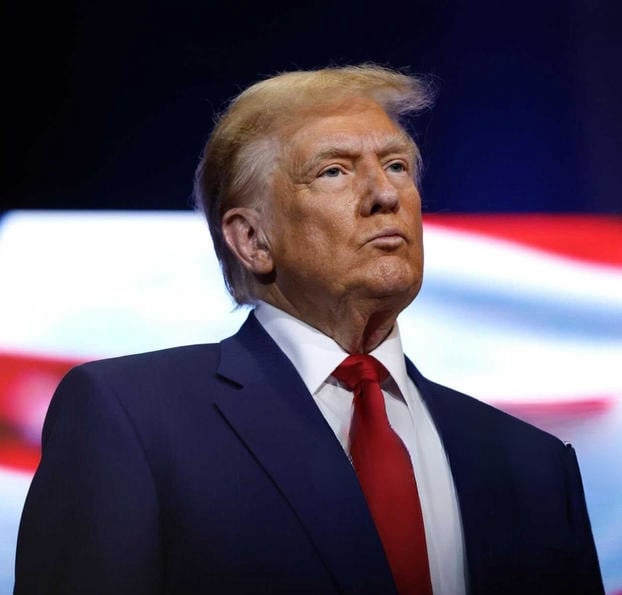
A major driver of change appears to be a significant shift in United States foreign policy following the inauguration of President Trump in early 2017. His administration adopted a more competitive posture toward China, marked by policies aimed at countering China’s growing global influence. Throughout his campaign and presidency, President Trump frequently used assertive rhetoric regarding China and pursued a range of measures, including trade restrictions and tariff increases that departed from traditional multilateral frameworks such as the World Trade Organisation. These policies were accompanied by calls for allies, including Australia, to limit strategic engagement with China.

Given this backdrop of 'encircling' China, it's evident that Beijing has been provoked by Trump, leading to China's reaction through 'wolf warrior diplomacy', foreign interference, cyber-espionage and retaliatory tariffs against U.S. and Australia. While these actions by China are not excusable, understanding the context helps explain the breakdown in what was previously a more stable and cooperative Australia–China relationship. 

Media and the "China-threat" narrative

Most Australian media outlets depicted China as reacting aggressively, often omitting the context that led to such actions. This unbalanced coverage tended to frame China as the initiator of hostility. However, an alternative interpretation suggests that China’s assertive posture may have been, at least in part, a reaction to United States’ confrontational rhetoric and strategic containment measures – some of which were directed at Australia due to its close alliance with the U.S.

Although the current Australian government and Chinese leadership have worked toward improving bilateral ties, public discourse in Australia continues to reflect elements of the “China threat” narrative – reinforced by media reporting, political rhetoric, and broader strategic concerns in the Indo-Pacific

While there are legitimate concerns regarding China’s assertiveness – particularly in the South China Sea – it is also important to consider China’s motivations and strategic reasoning. For example:

  • Given over 64% of China’s maritime trade already passes through the South China Sea, it is clear that China has an established strategic interest in protecting it.

  • Although China’s military installations around the Spratly Islands in the South China Sea are a concern to the region, they are also expected given China’s interest in protecting these vital trade routes. Similarly, the U.S. has built a vast network of naval bases and military posts to protect its major trade routes around the globe.

  • China's military expansion has largely been regional, with just two known overseas bases, in contrast to the U.S., which maintains over 750 military installations worldwide.

This contrast suggests that while China’s behaviour raises regional concerns, its focus remains concentrated on nearby strategic zones rather than on global power projection in the same manner as the United States. Thus, a more balanced analysis may help reduce exaggerated threat perceptions and support more nuanced policy development.

Beijing's Yongding Tower and China World Trade Center CBD

A balanced view such as the above has been missing in majority of Australian media coverage – which has further contributed to the China-threat narrative. Our expert panel will further delve into how the China-threat narrative has permeated our media and political landscape. We will also assess how public policy could reshape this exaggerated threat, allowing the Australian public and businesses to gain a more balanced perspective on China for informed decision-making.


What is the outlook on the Australia-US relationship under Trump's second term?

President Trump’s second term is expected to continue a hardline approach toward China, as reflected in cabinet appointments and policy pronouncements. Proposals for steep tariffs and other economic restrictions could further escalate trade tensions. What are the implications to Australia?

  • Trade risk: China remains Australia’s largest trading partner. Any significant slowdown in China’s economy, or retaliatory measures resulting from U.S. policy, could place up to $150 billion in Australian trade at risk. This may have broader economic consequences, including the potential for recessionary impacts to Australia.

  • Tariffs on exports to the U.S.: Australia's exports to the U.S. are expected to be hit with a minimum 10% tariff, which will lead to reduced trade volumes and revenue for our exporters and related businesses.

  • Strategic Risk: Given the deep military alliance between Australia and the U.S., there is concern that Australia could be drawn into regional conflicts should tensions escalate between the U.S. and China. Australia's geographic proximity and alliance commitments could elevate its strategic exposure.

What is the long term outlook?

The influence of “Trumpism” – characterised by populist, protectionist and unilateral policy approaches – may continue beyond President Trump’s second term. Factors such as the alignment of future Republican candidates with Trump-era policy positions and staggered Congressional terms may lead to prolonged continuity in U.S. foreign policy.

For Australia, this evolving relationship with the U.S. may require a recalibration of strategic and economic policy settings over the next decade, with careful consideration of both alliance obligations and regional stability. 

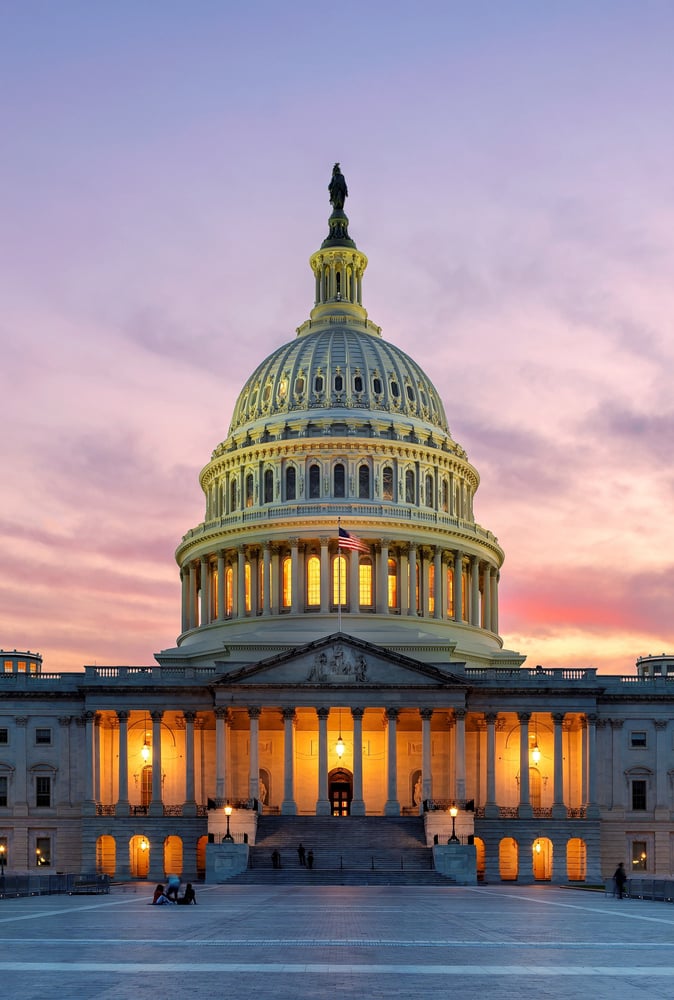
The United States Capitol building, Washington DC

What is in our national interest?

Over the last couple of decades, Australia’s economic success has been closely linked to China’s economic success. For instance, our trading partnerships with China during the Global Financial Crisis of 2008 enabled Australia to navigate one of the most significant economic downturns since the Great Depression with minimal disruption, while many other advanced economies experienced severe recessions.

Conversely, a slowdown in China's economy could have significant implications for Australia, potentially leading to economic downturns. Hence, Australian policymakers must carefully evaluate how deeper strategic ties with the United States might impact the nation's long-term interests. While Australia remains committed to its partnership with the United States, an approach that prioritises a more independent stance, economic resilience and balanced regional engagement will be essential for sustaining future prosperity.

It's important to note that the alliance between the U.S. and Australia and its treaties such as the ANZUS and AUKUS:
  • Does not prohibit Australia from working towards our own national interest
  • Does not mandate Australia to contribute towards U.S. rivalry against China
  • Does not override our independence in choosing which of our regional partners that we chose to collaborate with to advance our economy

In fact, Australia's efforts to advance our national interests and our economy will enable us to be a more robust ally to the U.S. For example, a stronger economy will allow Australia to invest more in its defence, thereby enhancing its deterrence in the region. Additionally, it will bolster our diplomatic influence in the region. Both are ideals sought by the Australia and U.S. alliance.

Considering the likely economic downturn in Australia under a second Trump administration and beyond, we examine potential strategies to mitigate these losses, including the leveraging of new opportunities that may arise between Australia and China. 

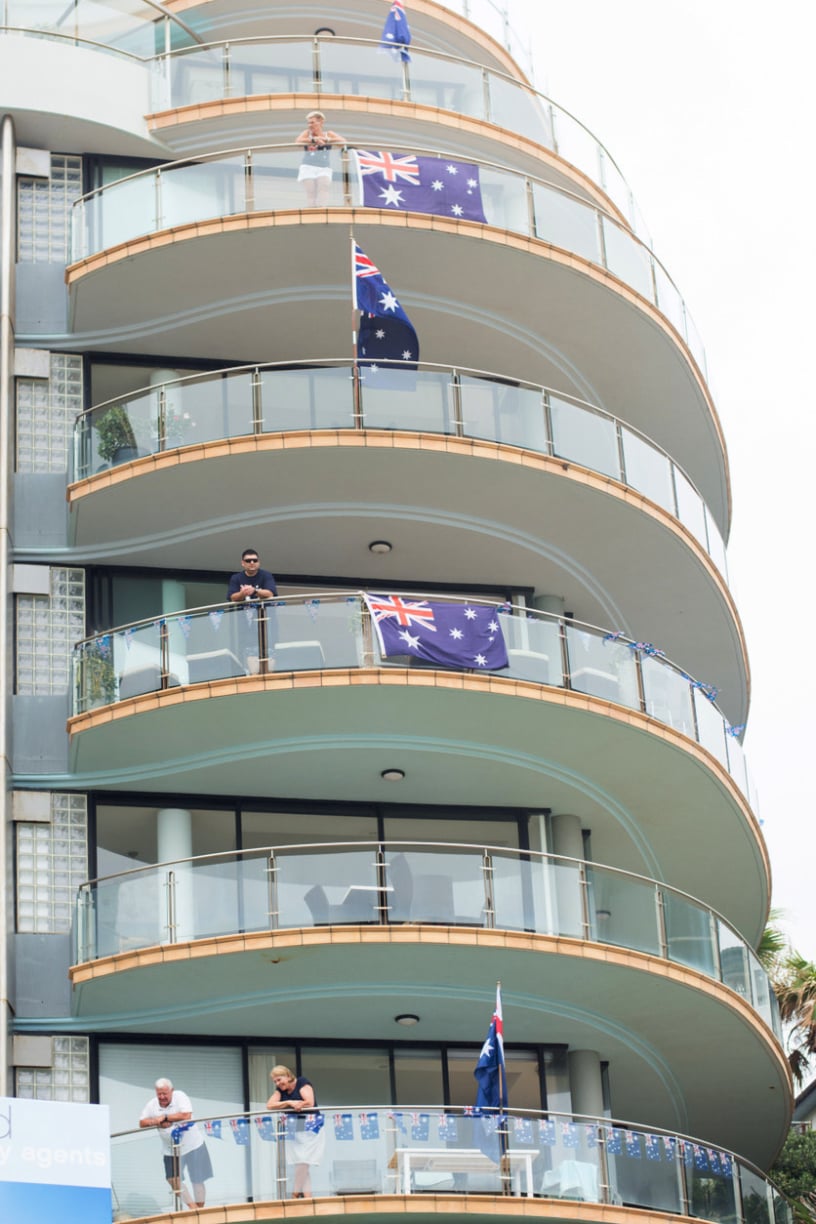
Celebrating Australia Day, 2017 in Cronulla. Photo by Daria Nipot

Synergies we have with China

It is well known that the economies of Australia and China are highly complementary. While we already have well-established trading in mining, agriculture & renewable technology sectors, further opportunity to collaborate would arise in the following sectors in which China has already emerged as a global leader and would have synergies with Australia:

  • EVs and the clean-energy transition

  • Agricultural technologies

  • Artificial intelligence

  • Biopharmaceutical innovation

  • Robotics

  • Quantum technologies…etc

To get an objective, high-level view of the synergies that we have with China and its potential, it is helpful to examine the degrees of influence we have with China and compare it with that of U.S.:

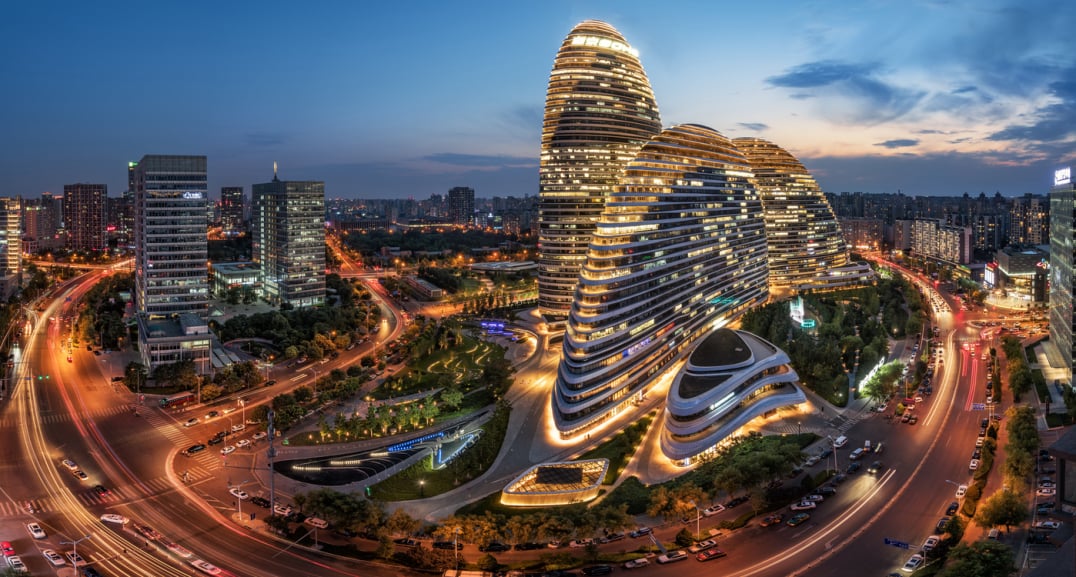
Beijing's famous landmark towers, Wangjing SOHO. Photo by Bingdian

Degrees of Influence

Influence On AustraliaChinaUnited States
TradingChina is Australia's biggest trading partner with AUD $312B worth of two-way trade in 2024. Over a third of all our exports are with China.
The current Australia-USA trading market is 1/4th that of Australia-China at AUD $79B of trade a year. About 5.4% of all our exports are with U.S. This could further reduce if Trump is to raise tariffs in 2025
Foreign InvestmentsChina (including Hong Kong) invests about AUD $234B in Australia, which is about 5% of all foreign investments in Australia. There has been a 90% drop in Chinese investments since 2017, primarily due to our alignment with U.S. and restrictions that we have imposed
U.S. invests AUD $1.17T, which is about 25% of all foreign investments in Australia and 5 times as much as China. However, these investments are anticipated to experience a significant downturn due to Trump's protectionist policies and the accompanying economic instability.
Military PartnershipsAustralia and China conducted joint military drills starting in 2010, but these ceased in 2020 due to diplomatic tensions between the two countries
Australia has a strong military alliance with the United States through the ANZUS Treaty and the AUKUS partnership. However, the AUKUS partnership could potentially draw Australia into conflicts that align more with US interests rather than Australia's. 
Climate change targetsCompatible to that of Australia. Both are committed to the Paris Agreement and intend to accelerate their investment into the clean energy transition to meet their climate action goals
Not-compatible (given Trump will be withdrawing US from the Paris Agreement). Instead of progressing on the clean-energy transition, US has chosen to invest more in fossil fuels and roll back environmental regulations
Renewable & EV technologiesChina has already become the leader in the renewable and EV industry. Their competitively priced products have enabled Australia to make significant progress in its Australia's National Electric Vehicle Strategy and Renewable Energy Target (RET) scheme
Given the expected Trump 2.0's rollback of clean-energy initiatives, US will most likely lose its competitiveness and global standing on renewable and EV technologies
Other critical technologiesChina is now leading 90% of critical tech research. This includes AI, robotics, quantum computing, biotechnology, space exploration...etc. China is also leading in the number of citations of their research papers, indicating a high degree of quality of their research publications 
Though U.S. led in most of these critical technologies in early 2000s, it is no longer the case. While U.S. retains leadership in 10% of critical tech research, this is expected to further decline due to Trump's funding cuts to National Science Foundation (NSF), National Aeronautics and Space Agency (NASA), National Institutes of Health (NIH)...etc
TourismChina is the largest source of tourists to Australia with $12b spent by those tourists each year 
United States rank 3rd among the number of tourists that visit us with $4b spent by those tourists each year
CulturalMore than 1.39m of the Australian population have Chinese heritage (according to a 2021 Census). And Mandarin is the second most spoken language in Australia after English. The Chinese community has made an immense contribution to the Australian society, culture and economy.
At the end of 2023, there were 114k USA-born people that are living in Australia. Given the low numbers, their influence on the Australian culture is not as significant
Regional Given China is significantly closer to Australia, there are lot of shared regional interest & cultural ties between Australia and China
Due to the tyranny of distance, there are far fewer regional influences that are shared between US and Australia
Science-lead policyChina's policy-making involves significant research, public debate and scientific rigor. Investments around technology clearly shows predictability due to their on science-backed policies. This results in more stable foreign investment opportunities between Australia and China.
Policy-making in US is heavily influenced by prominent lobby groups (eg fossil fuel lobbies, gun lobbies...etc), large corporations and wealthy individuals. Independent science research is often overshadowed. Under Trump 2.0, this is expected to worsen with several unqualified appointees being nominated for key positions in the cabinet. The outlook on Australia’s foreign investments in US could become unpredictable.

The above indicates that Australia has established strong partnerships with the U.S. through foreign investments and security alliances, while maintaining equally strong trade relationships with China. It also suggests that:

  • There are clear signs emerging of the decline of U.S. global leadership, its stability and economic influence

  • Conversely, given China has a higher degree of influence and synergies with Australia, there is significantly more potential for growth across those compatible industries.

In Summary


  • Leading upto 2017, China was Australia's "Best friend in Asia" with thriving trade relations.

  • However, since 2017, hostile rhetoric and aggressive foreign policies by President Trump against China have prompted defensive actions by China, including foreign interference and cyber-espionage towards both the U.S. and Australia. This has led to significant degradation of the Australia-China relationship.

  • The incoming Labor party have successfully stabilised the relationship in 2022. However, given China is our main regional trading partner and the rising potential for future growth through increased collaboration, both nations have an interest in moving beyond stabilisation. 

  • It is imperative that we look at China and our relationship with China without the past bias we may have had, while dismantling the China-threat narrative. This requires access to unbiased and objective research on China – which has been lacking in Australia's think tank landscape.

  • The AustChina Institute was established to bridge this gap in Australia's think tank landscape, providing policymakers, businesses and the public with comprehensive analysis and research on the Australia-China relationship. This unbiased research will be crucial for shaping our foreign and strategic policy decisions going forward, driving Australia's economic prosperity, diplomatic influence and regional security.

For more information about our mission and our objectives: About Us

Email: info@aci.org.au

Location: 470 St Kilda Rd, Melbourne, VIC 3004

© 2024 AustChina Institute. All rights reserved.